Last Updated on May 8, 2026 by admin
The United States is home to one of the largest, most sophisticated, and most diverse banking systems in the world. In the first quarter of 2025, there were 3,917 commercial banks and 545 savings and loan associations in the United States insured by the Federal Deposit Insurance Corporation (FDIC), holding a combined US$24.5 trillion in assets. These institutions range from global financial giants with trillions of dollars in assets to small community banks serving individual towns and neighbourhoods. Together, they form the financial backbone of the American economy.
The Federal Reserve: America’s Central Bank
At the apex of the U.S. banking system sits the Federal Reserve, commonly known as “the Fed.” Established in 1913, the Federal Reserve serves as the nation’s central bank, responsible for setting monetary policy, regulating member banks, maintaining financial stability, and providing banking services to depository institutions and the federal government. It does not offer retail banking services to the public but plays an essential regulatory and supervisory role over every commercial bank operating in the country.
The United States banks, credit unions and other financial institutions has over 5,281 local and national banks with 83000 branches in 10189 cities offering banking services
The banks are segregate into national, international, regional which help maintaining economic stability by means of controlling money market.
In our today topic,we are going to list United states banks in various categories which comprises of national banks, International Banks, Community Banks,financial institutions, investment Banks,Commercial bank,Online bank and Regional bank.
According to United States’ central banking system, Federal Reserve which was introduced in December 1913 when the Federal Reserve Act went into effect help to decentralized system that establishes some middle ground between private banks and the public.
The “Big Four” Megabanks
At the top tier of American banking sit four institutions so large and systemically important that they are often referred to as the “Big Four.” These are JPMorgan Chase, Bank of America, Wells Fargo, and Citibank, and between them they hold a staggering share of the nation’s banking assets.
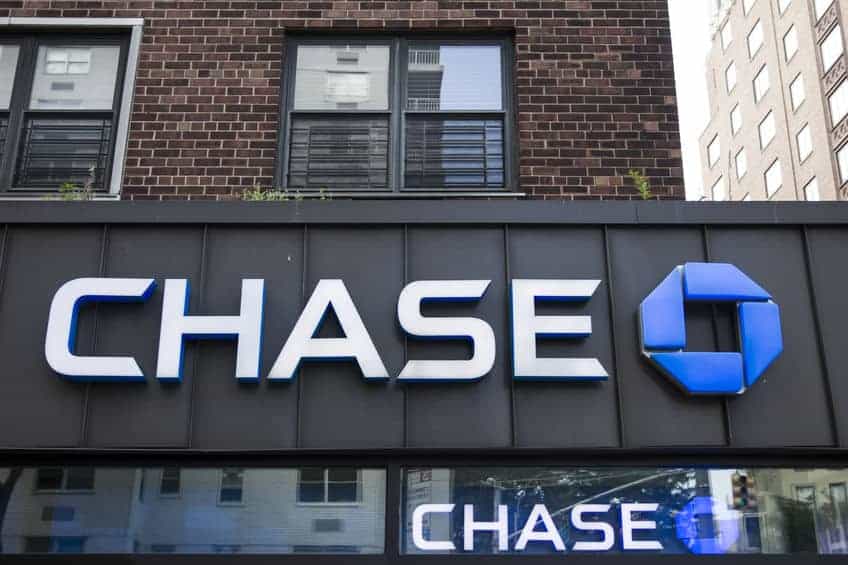
JPMorgan Chase Bank (Chase) is the largest bank in the United States and one of the largest financial institutions in the world. Chase has the largest branch network of all the biggest banks, with locations in the most states, more than 5,000 branches, and over 15,000 ATMs across the country. It offers an extensive range of products for both personal and business customers, including checking and savings accounts, credit cards, home loans, auto loans, investment products, and wealth management services. The bank operates as the consumer and commercial banking division of JPMorgan Chase & Co., which also encompasses one of the world’s most powerful investment banking operations.
Bank of America is the nation’s second-largest bank. It operates close to 3,700 branches and is based in Charlotte, North Carolina, maintaining about 15,000 ATMs across the country. It offers a wide range of financial services, including personal and business banking, plus products such as credit cards, mortgages, and investment services. Bank of America serves approximately 70 million consumers and small business clients worldwide and is particularly known for its robust digital banking platform and mobile app, which rank among the most used in the country.
Wells Fargo is the third-largest U.S. bank by domestic assets. Founded in 1852, Wells Fargo has gotten into regulatory trouble in the past and has focused on repairing its relationship with customers after a series of missteps. In June 2025, the Federal Reserve removed the asset growth restriction the bank had been under since 2018. With thousands of branches and ATMs spread across the country, Wells Fargo remains a dominant force in mortgage lending, personal banking, and business finance.
Citibank (Citigroup) rounds out the Big Four. Unlike the other big three banks, Citi has placed more emphasis on digital banking and operates a smaller branch network, with fewer than 700 branches mostly in New York and California. To support customers nationwide, Citi partners with the MoneyPass ATM network, which offers fee-free use of more than 65,000 ATMs. Citibank is particularly strong in international banking, credit cards, and wealth management, serving clients in over 160 countries.
Major National Banks
Beyond the Big Four, several other institutions qualify as major national banks with enormous reach across the United States.
U.S. Bank is the fifth-largest bank in the country. Founded in 1863, it has a large national presence with over 2,000 branches across the country and an expansive ATM network via the MoneyPass ATM network, offering a wide array of products and services including checking and savings accounts, credit cards, personal loans, home loans, and auto loans.
Goldman Sachs Bank USA (Marcus by Goldman Sachs) represents a different model. Retail banking plays only a small role at Goldman Sachs Bank USA. Retail offerings are provided through Marcus by Goldman Sachs, an online-only platform with a limited suite of consumer products, including a high-yield savings account and a few types of certificates of deposit. Goldman Sachs is primarily known as a powerhouse investment bank and asset management firm.
Morgan Stanley Bank similarly operates outside the retail banking mainstream. Morgan Stanley was founded in 1935 and now operates in more than 40 countries. Morgan Stanley currently does business as two FDIC-insured banks and is known primarily for investment and wealth management services.
Capital One has grown into one of the most recognised names in American banking, particularly in credit cards. Capital One has increasingly focused on digital banking and now operates fewer than 300 branches, making it the sixth-largest bank in the U.S. It is well known for its Capital One 360 online banking products and its popular travel and cash-back credit card offerings.
BNY Mellon (Bank of New York Mellon) operates as a custodian bank. Based in New York, BNY Mellon operates as a custodian bank and does not offer retail banking services. Custodian banks focus on safeguarding and recordkeeping of assets for clients such as investment managers, corporations, and private banking customers.
Super-Regional Banks
Below the national giants sits a tier of powerful “super-regional” banks that serve large portions of the country but do not quite have coast-to-coast footprints.
PNC Bank, based in Pittsburgh, is one of the most prominent. PNC was created when Pittsburgh National Bank and Provident Bank merged in 1983, with several more banks subsequently acquired. It operates approximately 2,300 branches in 27 states and Washington, D.C., and in September 2025, PNC acquired Colorado-based FirstBank.
Truist Bank is the result of one of the most significant recent mergers in U.S. banking history. Truist was established in 2019 through a merger of BB&T and SunTrust banks. Headquartered in Charlotte, North Carolina, it offers many products and services including deposit accounts, credit cards, mortgages, home equity loans, auto loans, personal loans, and business banking, serving 15 million clients across branches in 17 states and Washington, D.C.
TD Bank brings a Canadian dimension to the American market. Founded more than 150 years ago, TD Bank is a subsidiary of Toronto-Dominion Bank, with branches concentrated along the East Coast, offering mortgages, deposit accounts, credit cards, and commercial and small business products.
U.S. Bancorp’s subsidiary, along with KeyBank (based in Cleveland), Huntington National Bank (based in Columbus, Ohio), Regions Bank (based in Birmingham, Alabama), and M&T Bank (founded in 1856 and based in Buffalo, New York) represent the strong regional banking tier that serves millions of Americans across specific parts of the country. M&T Bank is a full-service personal, business, and commercial bank offering numerous checking, saving, lending, and investment products, with nearly 1,000 branches in 13 states and Washington, D.C.
Fifth Third Bank, headquartered in Cincinnati, is a major Midwestern institution. With a history dating back to 1858, Fifth Third Bank offers a wide variety of banking products and services including checking and savings accounts, certificates of deposit, credit cards, mortgages, business banking, and insurance. In October 2025, Fifth Third acquired Comerica Bank.
Online and Digital Banks
The 21st century has brought a powerful new category of banking to the United States — online and digital-only banks with no traditional branch networks.
Ally Bank, headquartered in Detroit, is one of the most prominent. Ally Bank is an online-only bank that offers many deposit accounts including checking, savings, money market, and certificates of deposit, as well as credit cards, auto loans, and investment products. American Express National Bank, founded in 1989 and based in Sandy, Utah, similarly operates primarily online, offering savings accounts, checking accounts, certificates of deposit, and personal loans.
Other notable digital-first players include Discover Bank, which is well known for its cash-back credit cards alongside its online banking products, and Synchrony Bank, which partners with retailers to offer credit and savings products.
Community Banks and Credit Unions
Beyond the giants and digital disruptors, America’s banking landscape is filled with thousands of community banks. These smaller, locally focused institutions play a vital role in serving rural areas, small businesses, and communities that large national banks may not prioritise.
As of March 2025, the FDIC listed 4,462 banks in total in the U.S. — a decrease from 4,577 in March 2024, reflecting an ongoing trend of consolidation through mergers and acquisitions. Community banks, though smaller in size, often offer more personalised service, relationship-based lending, and deeper local knowledge than their national counterparts
International Banks Operating in the USA
The United States also hosts branches and subsidiaries of major international banks. HSBC Bank USA, the American arm of one of the world’s largest banking groups, held approximately $166.24 billion in assets and serves both retail and corporate customers. Other prominent foreign-headquartered banks with a significant American presence include BMO Harris Bank (a subsidiary of Canada’s Bank of Montreal), Barclays US, and major Asian banking institutions such as the Industrial and Commercial Bank of China (ICBC), Bank of China, and Mizuho Bank.
Online banks
This type of banks does not have brick and mortar branches, so you only deal with your financial institution via online you can;t visit any branch for transaction.
Ally Bank
CIT Bank
Fidelity
Charles Schwab Bank
Synchrony Bank
Discover Bank
Sallie Mae Bank
TIAA Direct
First Internet Bank
Simple Bank
Bank of internet
Alliant Credit Union
FNBO Direct
Bank5connect
Barclays
Ever BAnk
GE Capital Bank
Radius Bank
Chime Bank
USAA
ALSO READ: List of Best Banks in California
Regional banks
Sun Trust Bank
Comerica
PNC
Arvest Bank
Associated Bank
Zions Bank
Banner Bank
Old National Bank
Union Bank
National Penn Bank
MB Financial Bank
Prosperity Bank
TCF Bank
UMB Bank
People’s United Bank
Eastern Bank
Key Corp
Northwest Bank
One West Bank
First Republic
Investment Banks
Goldman Sachs
Morgan Stanely
Bank of America (ML)
Citi Group
Wells Fargo Securities
Barclays Investment Bank
HSBC
BNP Paribas
UBS
Deutsche BanK
Commercial banks
JP Morgan Chase Bank
Bank of America
Wells Fargo
Citigroup
Goldman Sachs
Morgan Stanely
U.S. Bankcorp
PNC Financial Services
TD Bank
Capital One Bank
HSBC
Bank of the West
State Street Corporation
Sun Trust Bank
American Express
Ally Financial
Barclays
USAA
Citizen Financial Group
Fifth Third Bank.
Community Banks
Bank of Southside Virginia
Clear Mountain Bank
Community Bank Oregon
Home Town Bank
Patriot Bank
United Community Bank
Blue Harbor Bank
Austin Capital Bank
Beneficial State Bank
Community Bank N.A
Cross River Bank
Fairfield County Bank
FNB Bank
First Community Bank of Central Alabama
First Northern Bank
International Banks
JP Morgan Chase Bank-With $2.4 trillion in consolidated assets
Bank of New York
Bank of Montreal
Bank of America-With $1.8 trillion in consolidated assets,
Wells Fargo
Citi Bank
Goldman Sachs
Morgan Stanely
BNP Paribas
BBVA
National banks
Chase Bank
Bank of America
Wells Fargo
U.S. Bank
BBVA Compass
Capital One Bank
Bank of the west
Santander Consumer Bank
Citi Bank
Huntington Bank
M&T Bank
Woodforest National Bank
Citizens Bank
Fifth Third Bank
Key Bank
TD Bank
Sun Trust Bank
Regions Bank
PNC Bank
BB&T Bank
First National Bank
BMO Harris Bank
First Citizens Bank
Comerica Bank
People’s United Bank
Umpqua Bank
Bank of the Ozarks
HSBC
MUFG Union Bank
Arvest Bank
Chemical Bank
TCF Bank
Synovus Bank
Bancorp South Bank
Washington Federal
Assiciated Bank
Iberiabank
Valley National Bank
Whitney Bank
Trust Mark National Bank
Great Western Bank
Columbia State Bank
Centennial Bank
Old National Bank
South State Bank
First Tennessee Bank
NBT Bank
Renasant Bank
Banner Bank
Webster Bank
Simmons Bank
United Bank
Frost Bank
WesBanco Bank
Commerce Bank
Investors Bank
TrustCo Bank
First Commonwealth Bank
Sterling National Bank
Carter Bank And Trust
First Midwest Bank
First Bank
Park National Bank
Pinnacle Bank
Glacier Bank
Fulton Bank
Rabobank
Zions Bank
First Merchants Bank
East West Bank
First Interstate Bank
Union Bank and Trust
Great Southern Bank
Flagster Bank
Largest Banks in the US
Bank of America
JP Morgan Chase Bank
Wachovia Bank
Citibank
Washington Mutual Bank
SunTrust Bank
US Bank
Regions Bank
Branch Banking and Trust Company
National City Bank
HSBC Bank USA
World Savings Banks, FSB
Countrywide Bank
PNC Bank
Keybank
ING Bank, FSB
Merrill Lynch Bank USA
Sovereign Bank
Comerica Bank
Union Bank of California
BB&T Bank
Conclusion
The U.S. banking system is one of the most complex and consequential in the world. From global titans like JPMorgan Chase and Bank of America to community banks serving small towns, from digital innovators like Ally Bank to centuries-old institutions like Wells Fargo, the American banking landscape offers something for every customer.
Whether someone is looking for the widest branch network, the most competitive savings rates, or the most personalised local service, the United States banking system — regulated by the Federal Reserve, the FDIC, and the Office of the Comptroller of the Currency — provides a wide, competitive, and increasingly innovative range of choices.
Source: U.S. Federal Reserve

Contact us; Kokobest04@gmail.com
- Best Small-Business Loans for Startups - October 7, 2026
- How Debt-Consolidation Loans Work - October 7, 2026
- Personal Loan vs. Balance-Transfer Card: Which Is Better for Paying Off Debt? - October 7, 2026